
Yondo Wellness shares practical, down-to-earth guidance on yoga and mindful living for uk readers for readers across the UK.
- 0123456789
- Angle Bd Abdelmoumen & rue soumaya, Résidence
- [email protected]
Yondo Wellness shares practical, down-to-earth guidance on yoga and mindful living for uk readers for readers across the UK.
 By Sophie Bennett
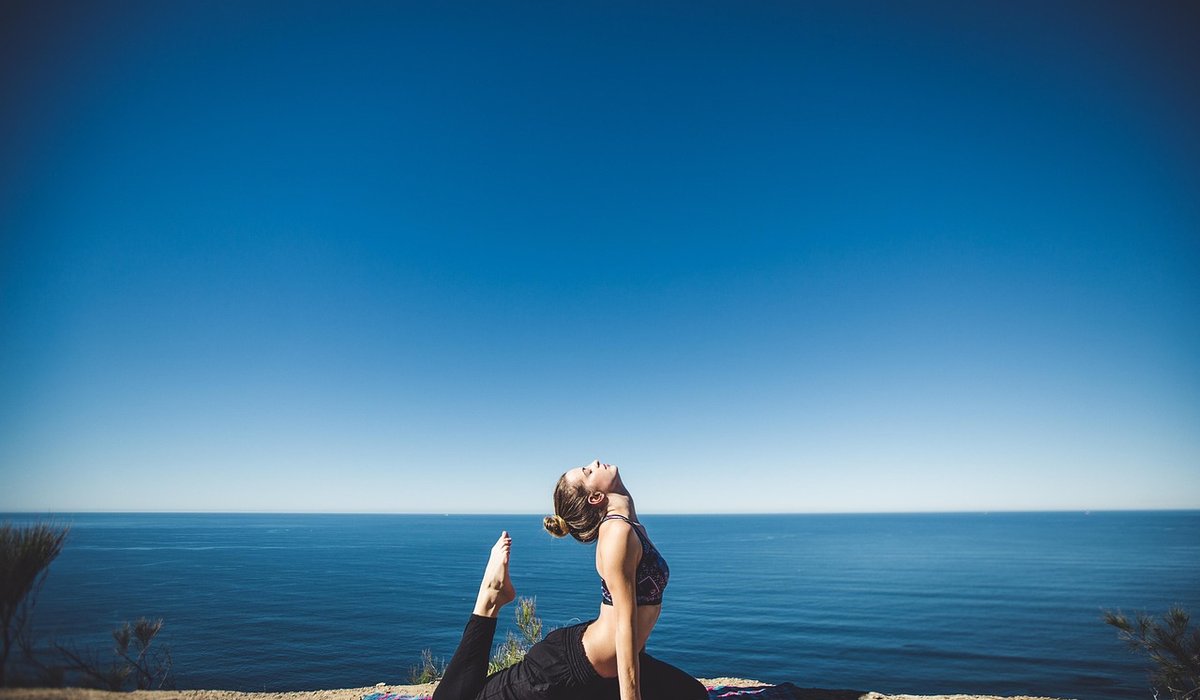
If your flat is the sort where the sofa sits three centimetres from the coffee table and the ceiling light hangs at forehead height, the idea of a flowing home practice can feel like a joke. It is not. Yoga has always adapted to the room it is in, and a small flat asks for clever choices rather than a bigger home. What follows is a realistic way to keep a weekly routine going when your floor is carpeted, your ceilings are low and your neighbours can hear you breathe.
Most standing postures need less room than people assume. A clear patch of roughly two metres by one metre is enough for a full sequence, and that is about the footprint of an open ironing board. Measure it once with a tape, mark the corners mentally, and stop negotiating with yourself every morning about whether there is room.
Flats built before the 1990s often have ceilings around 2.3 to 2.4 metres, and that rules out any posture where the arms reach straight up while you are also lengthening the spine. The fix is to bring the arms down, not to abandon the pose. Warrior I with hands at the heart instead of overhead works the same legs and the same length in the spine. Chair pose with arms reaching forward rather than up will tire your thighs just as honestly.
Downward dog is the usual casualty. Full dog is roughly your height in length, plus a bit, so it often will not fit. Try a half dog with your hands on the seat of a sofa, a sturdy coffee table or a windowsill. You get the same stretch through the hamstrings and the same length in the back, with the body making a right angle instead of an inverted V. If you want the real thing, do it diagonally across the room, feet near the door, and accept that it is a shorter dog than the one in the book.
Standing forward folds are easy to adapt: bend the knees generously. In a tight room, a soft fold with bent knees is safer and kinder than a stiff-legged one. Skip sun salutations with an overhead reach and build a version where the arms sweep to shoulder height instead.
In a converted Victorian terrace, sound travels through the joists. The good news is that most of the noise in a yoga practice comes from two things: jumping and dropping. Remove both and you will be almost silent.
Worth saying plainly: a quiet practice is not an inferior practice. Slow transitions build more strength than fast ones, and your neighbours will thank you for it.
You do not need a studio's worth of equipment. A wall, a sofa, a bed and a dressing gown belt will cover almost everything.
Consistency in a small flat comes from lowering the bar, not raising your motivation. Aim for fifteen to twenty minutes, four or five days a week, and decide in advance what each day contains so you are never inventing a sequence at six in the morning. A simple shape works well:
Attach the practice to something you already do. After the kettle goes on, after you brush your teeth, before you open your laptop. Same corner, same time, same basket. If a day goes wrong and you only manage child's pose for four minutes, that still counts, and it keeps the thread intact for the weeks when everything else is busy.


We are not gonna make spamming
